What Does Turnkey Interior Solutions Mean in Multifamily Construction?
What does "turnkey interior solutions" actually mean?
The word "turnkey" comes from the idea that the owner simply turns a key and walks into a finished result. In multifamily construction, that means the interior of every apartment—hundreds of near-identical kitchens, bathrooms, closets and living areas—arrives specified, produced, shipped and installed by one organization rather than stitched together from separate trades and vendors.
It is a procurement model as much as a construction one. The value is not only in the physical products; it is in collapsing the coordination, markups and schedule risk that pile up when a general contractor has to manage a cabinet supplier, a countertop fabricator, a door vendor, a lighting rep and a flooring installer as five separate relationships.
What is included in a multifamily turnkey interior package?
Scope is defined per project, but a comprehensive package typically covers every surface and fixture a resident interacts with:
- Cabinetry — kitchen and bathroom cabinets, including ready-to-assemble programs for cost-controlled builds.
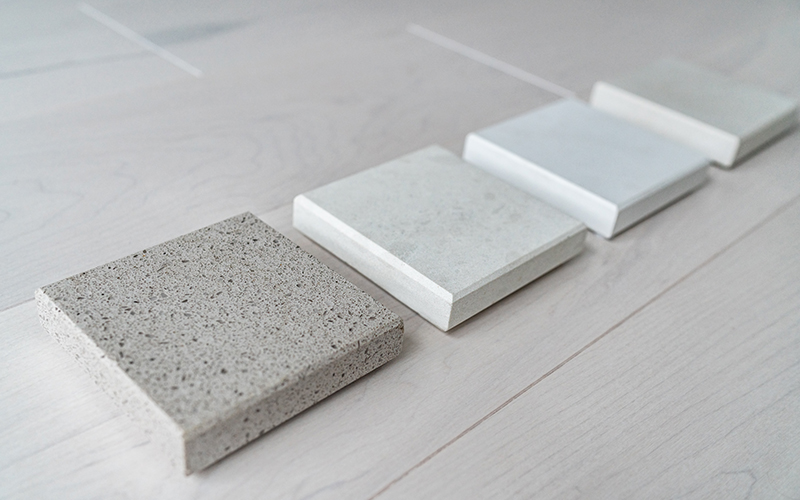
- Countertops — quartz and other engineered surfaces cut and finished to unit specifications.
- Closets and storage — modular closet systems and clothing storage.
- Doors and windows — interior and exterior doors, plus windows and storefronts where required.
- Lighting — architectural and decorative fixtures.
- Flooring — durable flooring engineered for high-traffic residential use.
- Bath elements — shower enclosures, mirrors and wall surrounds.
- Wall panels and woodwork — decorative panels and custom millwork.
- Delivery and installation — staging product close to the site and installing it on schedule.
Bundling these under one provider does more than simplify paperwork. When the same organization supplies the cabinets and the countertops, the fit between them is engineered rather than negotiated on site—reducing rework, punch-list items and finger-pointing between trades.
How does the turnkey process work, step by step?
A well-run turnkey engagement follows a predictable sequence:
- Scope and specify. The provider reviews unit plans, finish schedules and quantities, then recommends products and materials for each interior element.
- Quote as one package. You receive a single, itemized price covering products, delivery and installation—no chasing five separate bids.
- Manufacture to the schedule. Production is planned against your construction timeline so product is ready when buildings are, not months early or late.
- Stage and deliver. Finished goods ship to a regional warehouse and are released to the site building-by-building to avoid clutter and damage.
- Install and hand over. Coordinated crews install each package, and the developer inspects a finished, move-in-ready interior.
Because one partner owns the whole sequence, a delay in one element can be reprioritized internally rather than triggering a chain of change orders across independent vendors.
Why do multifamily developers choose turnkey?
Three pressures make the model especially attractive in multifamily work. First, repeatability: hundreds of units must match, and a single specification enforced by one manufacturer holds quality consistent across the community. Second, schedule certainty: financing costs accrue every day a building sits unfinished, so coordinated manufacturing and installation protect the pro forma. Third, accountability: when something needs fixing, there is one number to call rather than a debate over which trade is responsible.
Vertical integration sharpens all three. A provider that owns its factories, warehouses and installation teams—as Young Corporation does across Indonesia, the USA and Ukraine—removes the middlemen whose margins and handoffs inflate both price and lead time. That is the difference between a turnkey coordinator who resells other people's products and a turnkey manufacturer who makes them.
Frequently asked questions
Is turnkey more expensive than sourcing interiors separately?
Usually not. A turnkey provider quotes one bundled price, but that price removes the coordination overhead, vendor markups and schedule risk of managing many suppliers. When the provider manufactures the products itself, developers often pay less per unit than assembling the same package from separate suppliers plus a general contractor's markup.
What is included in a turnkey interior package?
A typical multifamily package includes cabinets, countertops, closets, interior doors, lighting, flooring, wall panels, mirrors and shower enclosures—plus delivery and installation. The exact scope is defined per project, but the goal is one contract covering every interior surface a resident touches.
Does turnkey work for large multifamily projects?
Yes—large projects benefit most. Hundreds of near-identical units reward repeatable specifications, consistent quality control and coordinated logistics, which is exactly what a turnkey model provides.